Exodus Web3 Wallet — The Ultimate Guide to Your Web3 Gateway
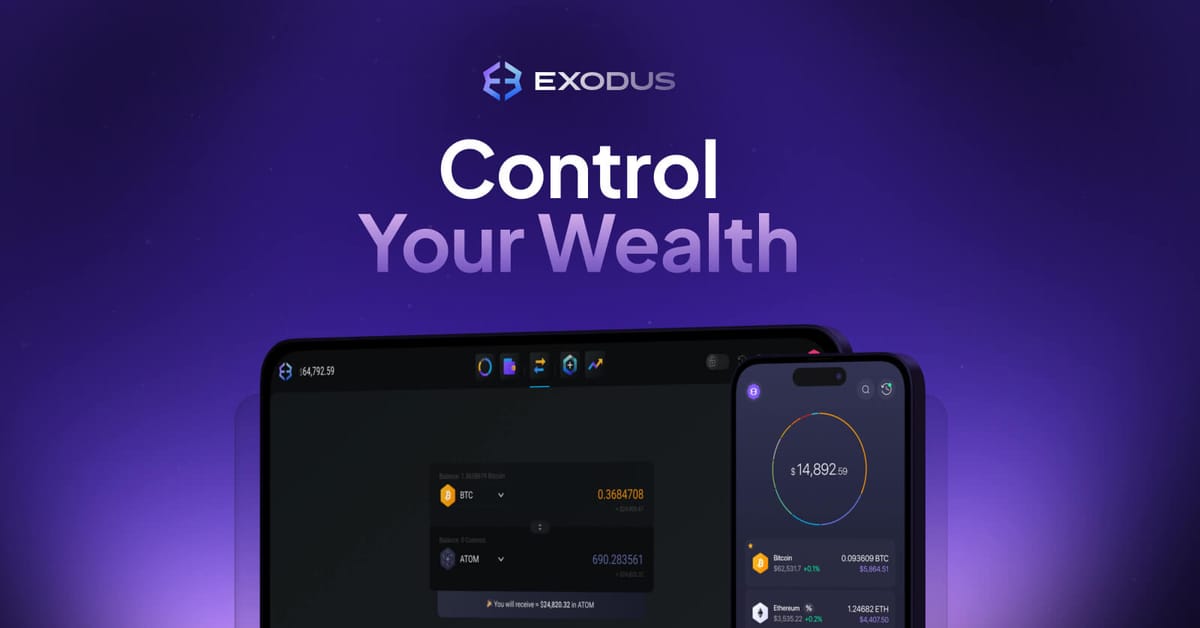
In the evolving world of decentralized finance and blockchain applications, wallets have grown far beyond just storing crypto. Exodus Web3 Wallet — Official Page stands at the forefront of this shift, offering a user-friendly, secure, and multichain Web3 wallet experience for beginners and seasoned users alike.
Most simply, the Exodus Web3 Wallet is a non-custodial cryptocurrency wallet and browser extension that lets you store, manage, swap, stake, and interact with decentralized applications (dApps) directly from your browser or mobile device. It’s designed to give you control of your crypto and Web3 identity without sacrificing usability. (Exodus)
What Is a Web3 Wallet?
A Web3 wallet is essentially your access key to the decentralized internet — the ecosystem of blockchain apps where users control their own data and assets. Unlike traditional financial accounts held by banks, Web3 wallets like Exodus give you full control over your private keys and digital assets. You connect directly to dApps — such as decentralized exchanges, NFT marketplaces, and DeFi platforms — and approve transactions securely from the wallet interface. (Exodus Web3 Wallet)
Getting Started with Exodus Web3 Wallet
1. Official Download and Installation
To get started safely, always download from the official Exodus source:
👉 Exodus Web3 Wallet Official Download & Info
The wallet is available as a browser extension for Google Chrome and Brave. After installing, it can also integrate with mobile apps on iOS and Android where supported. (Exodus)
2. Creating or Restoring Your Wallet
Once installed, you’ll have two options:
- Create a New Wallet — Generates a secure 12-word recovery phrase.
- Restore an Existing Wallet — Enter your recovery phrase from Exodus, MetaMask, or Phantom if supported. (Exodus)
Important: Your 12-word recovery phrase is your only way to restore access to your funds — Exodus can never recover it for you. Store it offline in a safe place. (Exodus)
Core Features of Exodus Web3 Wallet
1. Self-Custody and Security
Exodus follows a non-custodial model, meaning you control your private keys — keys are encrypted locally on your device and never sent to a central server. This dramatically reduces custodial risk and ensures only you own your crypto. (Exodus Web3 Wallet)
You can further protect your wallet with a strong password, PIN, or biometric lock (on mobile. It also supports hardware wallets like Ledger and Trezor, letting keys remain offline while you manage assets through the Exodus interface. (Exodus Web3 Wallet)
2. Multi-Chain and Asset Support
One of Exodus’s standout strengths is broad network support. The wallet can manage 50+ blockchains and thousands of tokens across ecosystems like:
- Ethereum and EVM chains
- Solana
- BNB Smart Chain (BSC)
- Avalanche
- Polygon
This makes it a true multichain wallet where you can switch networks easily without juggling multiple wallets. (Exodus Web3 Wallet)
3. Built-In Swaps & DeFi Access
Within the wallet you can:
- Swap tokens instantly without leaving the wallet
- Connect to DeFi apps for lending, borrowing, and yield farming
- Use WalletConnect if a dApp doesn’t list Exodus directly
This integrated approach eliminates the need for intermediaries and keeps your assets under your full control. (Exodus Web3 Wallet)
4. NFT Management
Exodus includes NFT support — you can store, view, and organize your collectibles right inside the wallet. On some networks, it even displays full visual previews for supported NFTs. (Bitcoinsensus)
5. Portfolio Tracking and Analytics
The wallet offers real-time portfolio tracking, performance charts, and balance histories, making it easier to view your asset allocation and performance without needing external dashboards. (Exod Web3 I)
Why Exodus Is Unique
User Experience First
Exodus has always emphasized design, clarity, and beginner accessibility. Its polished interface — complete with intuitive menus and visual portfolio breakdowns — makes Web3 less intimidating for newcomers. (Exodus Web3)
Multichain Without Complexity
While many wallets specialize in one ecosystem (like MetaMask for EVM or Phantom for Solana), Exodus attempts to unify multiple blockchains under one roof without complex plugin systems. This reduces friction when managing diverse portfolios. (Bitcoinsensus)
Security: What You Need to Know
Built-In Protections
- Local key encryption
- No server storage of private keys
- Optional biometric and password locks
Combined, these help protect against casual threats. (Exodus)
Your Responsibility
Because Exodus is self-custodial:
- You must protect your recovery phrase
- Always verify you’re on official sites
- Beware of phishing and malicious dApps
No wallet — no matter how secure — can protect you if your device is compromised or if you disclose sensitive data. (Exodus)
Pros & Cons
✔ Pros
- Strong multichain support across numerous blockchains. (Exodus Web3 Wallet)
- Intuitive design suited for beginners. (Exodus Web3)
- Full Web3 and DeFi integration with NFTs and swaps. (Exodus Web3 Wallet)
- Support for hardware wallets for enhanced security. (Exodus Web3 Wallet)
⚠ Cons
- Not fully open-source — some users prefer transparency through fully open-code wallets. (Bitcoinsensus)
- Being browser-based, it inherits browser extension risks if users aren’t vigilant. (Exodus)
Best Practices for Safe Use
- Always use official links like https://www.exodus.com/web3‑wallet — never third-party sites.
- Back up your recovery phrase offline in multiple secure locations.
- Enable device security (password/PIN/biometric).
- Use hardware wallets for larger funds. (Exodus Web3 Wallet)
Conclusion — Is Exodus Web3 Wallet Worth It?
In 2026 and beyond, Web3 wallets are more than just storage — they’re your passport to decentralized finance, apps, and digital ownership. Exodus Web3 Wallet combines ease-of-use, broad asset support, DeFi access, NFT support, and multichain connectivity in a polished, beginner-friendly experience. (Exodus)
If you’re stepping into Web3 for the first time or looking for a secure, unified way to manage crypto, NFTs, and DeFi interactions, Exodus is a strong contender that balances usability with control. Just remember — your crypto is only as safe as your own security practices.
Would you like a step-by-step visual setup tutorial or a comparison with other Web3 wallets like MetaMask or Phantom?